
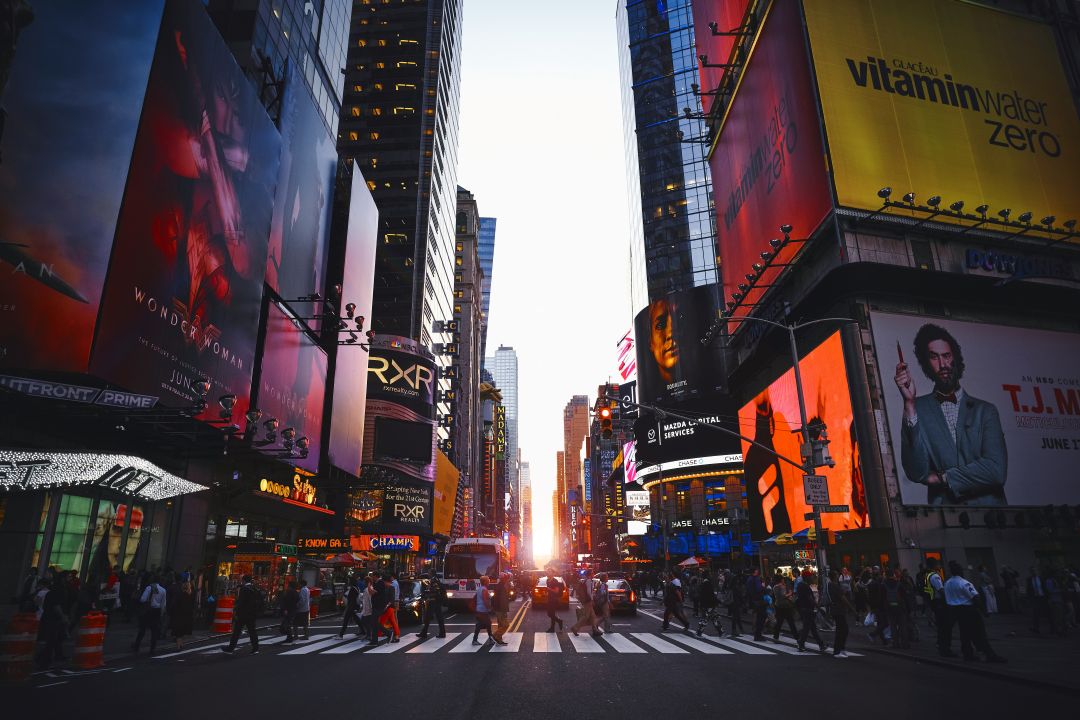
Planning an overseas holiday is exciting, but choosing when to travel can be just as important as deciding where to go. The time of year you visit a destination can affect everything from the weather and local events to accommodation availability, flight prices and crowd levels.
For New Zealanders, timing can make a significant difference to both the cost and enjoyment of a holiday. While many travellers naturally head overseas during the long summer break or school holidays, these periods often coincide with peak tourist seasons around the world. Fortunately, New Zealand families generally have a little more flexibility than those in some other countries, with schools often allowing short periods of leave during term time where appropriate. Travelling just outside the busiest periods can often mean lower prices, shorter queues and a more relaxed experience.
Whether you’re dreaming of relaxing on a tropical beach, exploring historic cities or experiencing a famous seasonal festival, understanding the best time to visit can help you make the most of your holiday.
Here are five of the most popular overseas destinations for New Zealand travellers, along with the best times to visit depending on your priorities.
Australia
Australia remains New Zealand’s most visited international destination. With frequent flights, no language barrier and destinations ranging from tropical Queensland to cosmopolitan Melbourne, it’s easy to see why so many Kiwis head across the Tasman each year.
Cheapest time to fly
Generally, February to early April and late July through September offer some of the best airfare deals, provided you avoid Easter and Australian school holiday periods.
Best weather
Australia’s climate varies considerably depending on where you’re travelling.
Sydney and Melbourne: October to April brings warm, pleasant weather.
Queensland (Gold Coast, Brisbane and Cairns): May to September offers sunny days with lower humidity.
Tasmania: December to March is ideal for outdoor adventures.
Least busy time
May, August and early September are typically quieter than the peak summer months.
Best all-round time to visit
March and September provide an excellent balance of comfortable weather, more affordable prices and fewer crowds than the Christmas and New Year period.
Seasonal highlights
Sydney’s Vivid Festival (May to June)
Australian Open in Melbourne (January)
Whale watching along the east coast (May to November)
Western Australia’s wildflower season (August to October)
If you’re looking for more inspiration or want to see what’s happening during your travel dates, the official Australia tourism website offers destination guides, seasonal itineraries and information on major events throughout the country.
Japan
Japan has become increasingly popular with New Zealand travellers thanks to its incredible mix of ancient traditions, modern cities, world-famous cuisine and spectacular natural scenery.
Cheapest time to fly
Flights are often more affordable during late January (after New Year), February, June and November, outside major Japanese holiday periods.
Best weather
Spring and autumn are widely considered the most comfortable seasons.
Spring (March to May) offers mild temperatures and blooming gardens.
Autumn (October to November) brings crisp air and spectacular autumn colours.
Least busy time
Late January, February and June generally see fewer international visitors.
Best all-round time to visit
Late October to early November offers pleasant weather, stunning autumn foliage and generally fewer crowds than the famous cherry blossom season.
Seasonal highlights
Cherry blossom season (late March to early April)
Autumn foliage (October to November)
Snow Festival in Hokkaido (February)
Kyoto’s Gion Matsuri Festival (July)
Cherry blossom season remains one of Japan’s busiest travel periods. Accommodation can sell out many months in advance and flights are often more expensive, but many travellers consider the experience well worth the extra planning.
To help plan your trip, including regional cherry blossom forecasts, autumn foliage updates and cultural events, visit the Official Japan Travel Guide.
Fiji
Fiji has long been one of New Zealand’s favourite tropical escapes. With direct flights, warm hospitality and beautiful island resorts, it’s ideal for family holidays, honeymoons and relaxing beach breaks.
Cheapest time to fly
February, March and November often offer lower airfares and accommodation deals.
Best weather
The dry season from May to October generally brings sunny days, lower humidity and comfortable temperatures.
Least busy time
Late February through April is often quieter outside school holiday periods.
Best all-round time to visit
May offers one of the best combinations of pleasant weather, reasonable prices and fewer visitors before peak winter tourism begins.
Seasonal highlights
Whale watching (July to October)
Hibiscus Festival (usually August)
Traditional Fijian cultural celebrations throughout the year
Cyclone season typically runs from November through April. Although many holidays proceed without disruption, weather events can occasionally affect flights and accommodation.
For ideas on islands, resorts, activities and local cultural experiences throughout the year, visit the official Tourism Fiji website.
United States
The United States offers enormous variety, whether you’re visiting New York, Hawaii, California, Florida or exploring the country’s famous national parks.
Cheapest time to fly
January, February and early November usually offer some of the lowest airfare prices, excluding holiday periods.
Best weather
Because the country is so large, conditions vary greatly.
Hawaii is pleasant throughout the year.
New York is particularly enjoyable during May, September and October.
California enjoys mild weather for much of the year.
National parks are often best visited during late spring or early autumn.
January, February and November (outside Thanksgiving) are generally quieter.
Best all-round time to visit
September offers warm weather across much of the country while avoiding the peak crowds of summer.
Seasonal highlights
New England autumn colours (September to October)
National Cherry Blossom Festival in Washington DC (March to April)
Christmas in New York (December)
Thanksgiving celebrations (November)
Because every region has its own climate and attractions, it’s worth researching your specific destination before booking.
As weather and attractions vary greatly across the country, the official Visit The USA website is an excellent resource for planning regional itineraries, seasonal holidays and road trips.
United Kingdom and Europe
Many Kiwis combine the United Kingdom with travel throughout Europe, whether they’re visiting family, exploring historic cities or embarking on multi-country adventures.
Cheapest time to fly
February, March and November often provide the best airfare value outside the busy European summer.
Best weather
Late May through September generally offers the warmest temperatures across much of Europe.
Least busy time
February and November are noticeably quieter, although some seasonal attractions may have shorter opening hours.
Best all-round time to visit
Late May, early June and September offer an excellent combination of pleasant weather, manageable crowds and better prices than the peak summer months.
Seasonal highlights
Lavender season in France (June to July)
Edinburgh Festival Fringe (August)
European Christmas markets (late November through December)
Northern Lights in Scandinavia (September to March)
Travelling through Europe often means experiencing several different climates during one trip, so packing versatile clothing is a smart idea.
If you’re travelling to the United Kingdom, the official VisitBritain website provides plenty of inspiration, seasonal travel ideas and information on attractions across England, Scotland and Wales.
If your holiday includes multiple European countries, the European Travel Commission also offers helpful planning resources and destination inspiration.
Should you travel during the school holidays?
Many Kiwi families naturally travel during the April, July, September or December school holidays. While these periods are convenient, they also tend to coincide with increased demand for flights and accommodation around the world.
Unlike some countries where families may face penalties for taking children out of school, New Zealand schools often allow parents to request short periods of leave during term time, depending on the school’s attendance policies and the individual circumstances. This flexibility can make it easier to travel during quieter periods when prices are lower and attractions are less crowded.
Even travelling one or two weeks outside the busiest holiday windows can sometimes make a noticeable difference to your travel budget.
Why timing matters for travel insurance
Every season presents different travel risks. Tropical destinations may experience cyclones during the wet season, winter weather can disrupt flights across Europe and North America, and peak holiday periods often see increased airport congestion, flight delays and misplaced luggage.
No matter when you travel, comprehensive travel insurance can provide valuable protection against unexpected events. Depending on the policy you choose and your individual circumstances, this may include overseas medical expenses, trip cancellations, travel delays, lost luggage and emergency assistance.
It’s also important to purchase your insurance as soon as you’ve booked your trip. Doing so may provide cover for certain unforeseen events that occur before you even leave New Zealand, subject to your policy terms and conditions. Always read the Policy Wording carefully so you understand exactly what is and isn’t covered, including any exclusions relating to pre-existing medical conditions or known events.
If you’re planning your next overseas adventure, it’s worth arranging your travel insurance before you leave home. Whether you’re travelling during peak season or opting for a quieter time of year, comprehensive cover can provide valuable financial protection if the unexpected happens. Get a free, comprehensive and competitively priced quote from Go Insurance New Zealand by visiting the Go Insurance Home Page before you travel.
Choosing the right season for your holiday
There is no single “perfect” time to travel. Some people happily pay a little more to experience Japan’s famous cherry blossoms or Europe’s magical Christmas markets, while others prefer quieter attractions, cheaper flights and a slower pace during the shoulder seasons.
By considering weather, crowds, airfare prices, local events and school holiday flexibility before you book, you can often enjoy a more rewarding holiday while making your travel budget stretch further.
Before you depart, remember to check the latest destination-specific travel advice on SafeTravel New Zealand. Taking the time to research seasonal conditions, local events and any official travel advisories, together with arranging comprehensive travel insurance, can help you enjoy a smoother, safer and more relaxing overseas holiday.