
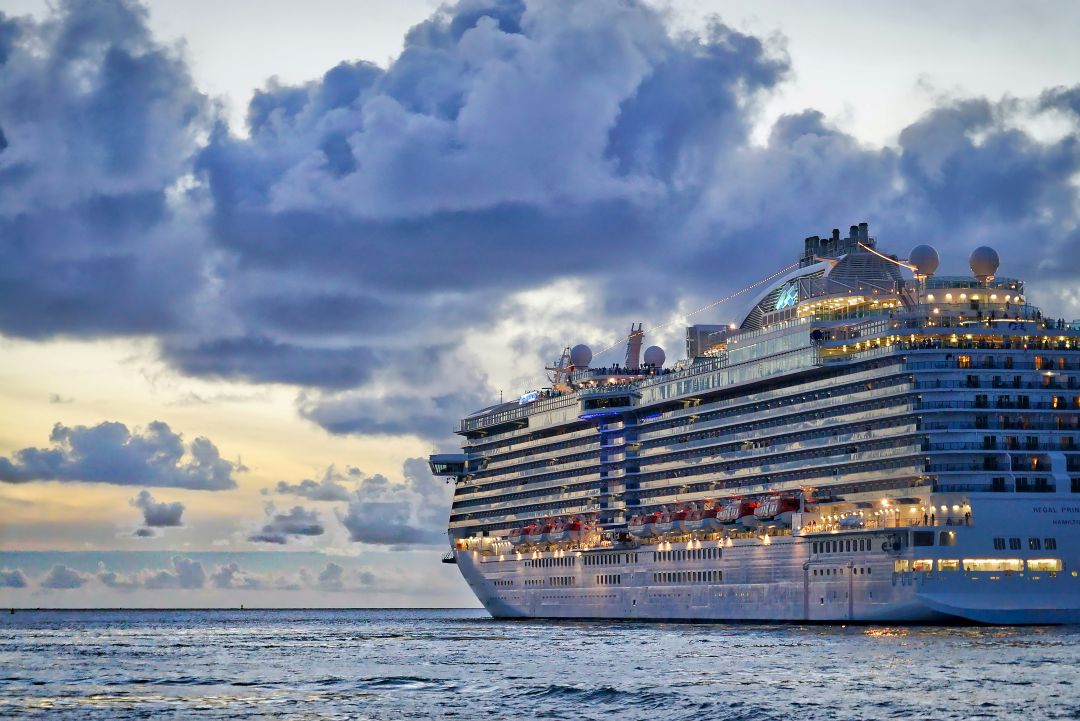
Cruise holidays have become an increasingly popular choice for New Zealand travellers looking for a convenient, all-in-one overseas experience. With accommodation, transport, dining and entertainment bundled into a single itinerary, cruising offers a relaxed way to explore multiple destinations without the constant hassle of repacking or airport transfers.
From Mediterranean island-hopping to Alaska’s glacier-lined fjords or the sun-drenched Pacific, cruises appeal to couples, retirees, families and even solo travellers who want variety without complexity.
However, while cruises can feel seamless on the surface, there are important considerations behind the scenes. Excursions, onboard spending, medical access and specialised cruise insurance are all key parts of planning a successful trip.
This guide explores how New Zealanders can get the most out of cruise season abroad, while staying financially and medically protected along the way.
Why cruising is becoming more popular for New Zealanders
For many Kiwis, cruising offers a practical alternative to traditional multi-country travel. Long-haul flights from New Zealand can make land-based travel expensive and time-consuming, especially when visiting regions like Europe or North America. A cruise removes much of that logistical pressure.
Once onboard, travellers can visit multiple destinations without changing hotels or dealing with border logistics every few days. This is particularly appealing for families and older travellers who prefer a more structured and comfortable travel style.
Cruise lines also increasingly cater to New Zealanders with tailored departure options, including fly-cruise packages via Australia, Asia, and the United States.
For general cruise planning information, CLIA (Cruise Lines International Association) provides useful global insights.
Choosing the right cruise and timing your trip
Timing plays a major role in both price and experience.
Best times for popular cruise regions:
Mediterranean cruises: May to June and September to October (milder weather and fewer crowds)
Alaska cruises: June to August (peak wildlife viewing and glacier access)
Caribbean cruises: December to April (dry season, ideal weather)
South Pacific cruises: May to October (less humidity and calmer seas)
Cheaper cruise periods:
Cruises are often cheaper during shoulder seasons, such as:
Late October to early December
Late January to March (outside school holidays in many regions)
Early May before peak European summer demand
New Zealand school holidays can also influence pricing indirectly, especially for family-friendly cruise itineraries departing from Australia. Travelling just outside peak Kiwi holiday windows can sometimes lead to noticeable savings.
Shore excursions: where costs can quietly climb
One of the biggest surprises for first-time cruisers is how quickly excursion costs add up. While the cruise fare may seem reasonable, organised shore tours can be expensive, particularly in Europe and North America.
Ways to save money on excursions:
Book independently where safe and practical
Many ports have reputable local tour operators offering the same experiences at lower prices than cruise lines.
Walkable ports are your friend
Cities like Barcelona, Dubrovnik and Auckland (for domestic cruises) allow easy DIY exploration.
Bundle tours outside the cruise line
Websites such as Cruise Critic often provide reviews and comparisons of independent operators.
Prioritise key excursions only
Not every port requires a paid tour. Some destinations are best enjoyed at your own pace.
That said, cruise line excursions can offer peace of mind, particularly for tighter schedules or remote ports where timing is critical.
Onboard spending: the hidden budget factor
Although cruises are often marketed as “all-inclusive,” many onboard services incur additional costs.
These may include:
Specialty dining restaurants
Alcoholic beverages and drink packages
Spa treatments
Wi-Fi packages
Photography services
Select entertainment experiences
Money-saving tips onboard:
Consider whether drink packages are actually cost-effective based on your habits
Pre-book Wi-Fi or dining packages when discounted
Set a daily spending limit to avoid impulse purchases
Take advantage of included dining venues, which are often high quality
Small daily expenses can accumulate quickly over a 7 to 14-night cruise, so a bit of planning can make a meaningful difference.
Medical care at sea: what Kiwis need to know
One of the most important but overlooked aspects of cruising is medical access.
Cruise ships do have onboard medical centres, but these are typically designed for basic care and stabilisation rather than comprehensive treatment. Serious medical cases may require evacuation at sea or transport to the nearest hospital in a port country, which can become extremely expensive without insurance coverage.
Common medical scenarios onboard include:
Seasickness or dehydration
Minor injuries from onboard activities
Infection or illness outbreaks
Pre-existing conditions becoming aggravated
In more serious cases, medical evacuation by helicopter or ship diversion may be required. These situations can cost tens of thousands of dollars depending on location and complexity.
For general travel health advice, New Zealand travellers should also refer to SafeTravel NZ.
Why cruise-specific travel insurance matters
Standard travel insurance does not always automatically include cruise cover. Cruise travel introduces additional risks such as:
Medical treatment at sea
Missed port departures
Ship delays or itinerary changes
Onshore emergency transport
Evacuation from remote locations
Cruise-specific insurance is designed to address these situations more comprehensively.
A specialist policy may include:
Overseas medical expenses including onboard treatment
Emergency evacuation and repatriation
Cover for missed cruise departures
Compensation for itinerary disruptions
Luggage and personal item protection
Trip cancellation or interruption cover
Given the unique structure of cruise travel, ensuring your policy explicitly includes cruise cover is essential rather than specialised cruise travel insurance options designed with these risks in mind, helping travellers prepare for both onboard and shore-based scenarios. You can read more about our Specialised Cruise Insurance Here.
Planning checklist for Kiwi cruisers
Before you set sail, it helps to run through a simple checklist:
Confirm passport validity (many cruises require at least 6 months remaining)
Check visa requirements for all ports of call
Review onboard medical coverage and cruise insurance details
Pre-book key excursions where needed
Research local transport options in each port
Set a realistic onboard budget
Inform your bank of overseas travel to avoid card issues
Preparation reduces stress and allows you to focus on enjoying the journey rather than managing logistics onboard.
Smart ways to make cruising more affordable
Cruises can offer good value, but there are still ways to reduce overall costs:
Book early or look for last-minute deals depending on flexibility
Choose interior or ocean-view cabins instead of balconies
Travel outside peak school holiday periods where possible
Watch for “free upgrade” promotions or onboard credit offers
Compare cruise packages that include flights versus booking separately
Flexibility is often the key to unlocking the best value deals.
Cruising offers New Zealand travellers a unique way to explore the world, combining comfort, convenience and variety in a single trip. From Mediterranean coastlines to Pacific islands, it is a travel style that continues to grow in popularity for good reason.
However, the best cruise experiences come from thoughtful planning. Understanding excursion costs, onboard spending and medical risks can help avoid surprises, while choosing the right insurance ensures peace of mind throughout the journey.
With the right preparation, cruising can be one of the most rewarding and stress-free ways to travel abroad.
Before you book your next voyage, consider securing appropriate cover. You can obtain a free quote from Go Insurance New Zealand here.
Bon voyage — or as cruisers like to say, smooth seas ahead. 🚢