
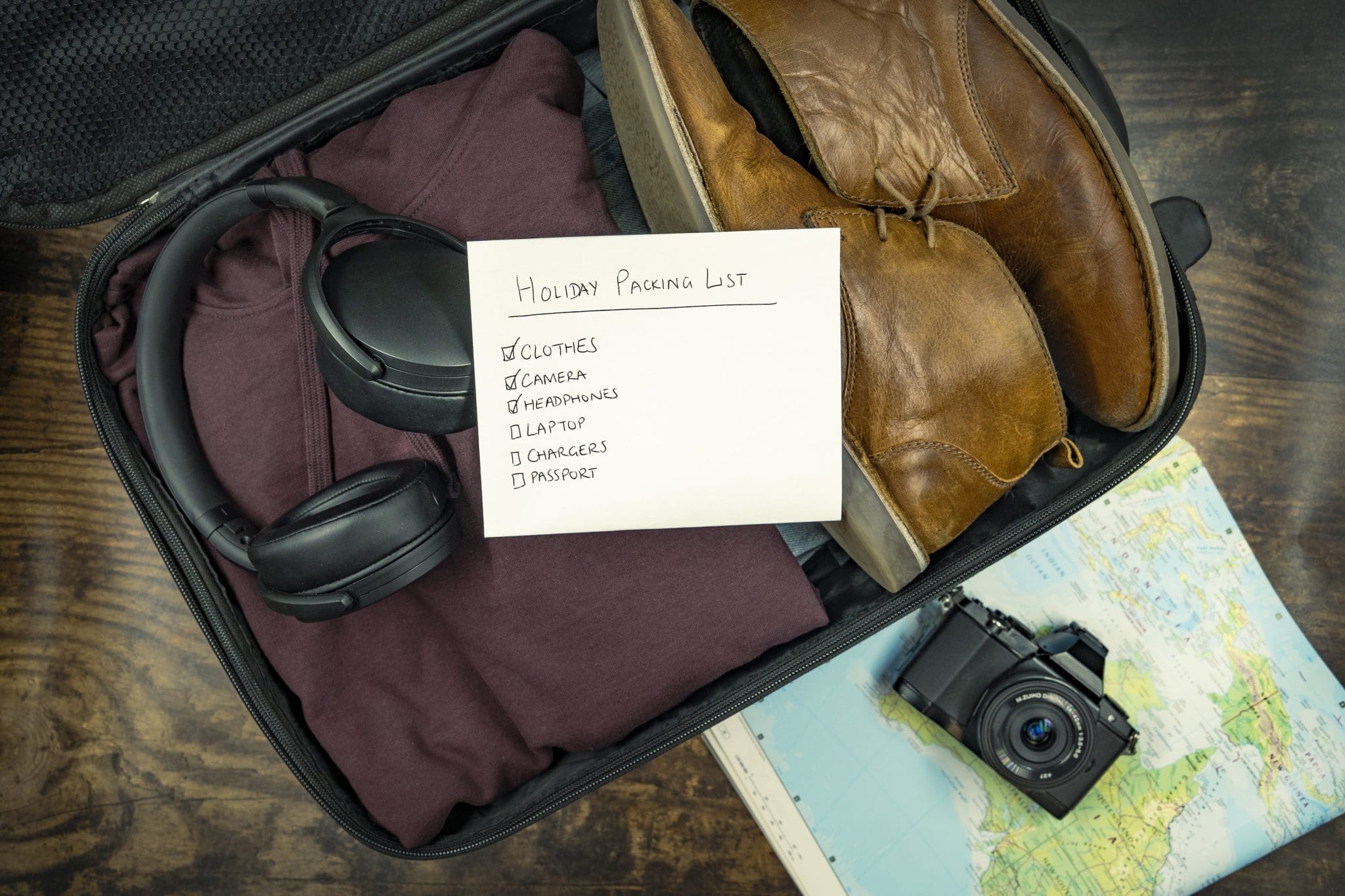
A Kiwi Guide to Packing your Bags
Packing for an international holiday can feel deceptively simple until you are standing on your suitcase trying to zip it shut or nervously watching the airline staff weigh your bag. For New Zealand travellers, international trips often involve long flights, multiple climates, and strict baggage limits, making thoughtful packing an essential part of travel preparation.
Whether you are heading to Europe, Asia, the Pacific or further afield, packing well can save you money, reduce stress, and help protect your belongings while you are away. This guide is designed specifically for Kiwis travelling overseas, with practical advice on what to pack, how to pack, what to leave behind, and how travel insurance can help safeguard your gear and peace of mind.
Start with Airline Luggage Allowances
Before you pack a single item, check your airline’s baggage rules. Luggage allowances vary widely between airlines, ticket types and routes, and exceeding limits can result in hefty fees at the airport.
Most international airlines flying from New Zealand include at least one checked bag, often weighing 23kg, plus a carry-on bag and personal item. However, cheaper fares or regional flights may have lower allowances.
A good place to start is the Air New Zealand baggage allowance guide, which clearly outlines checked and carry-on limits for international travellers. Even if you are flying with another airline, it provides a useful benchmark.
Tips for Using Your Weight Allowance Wisely
• Weigh your suitcase at home using bathroom scales
• Pack heavier items, such as shoes or jackets, near the wheels of your suitcase
• Wear your heaviest clothing on the plane if needed
• Leave some space for souvenirs
Remember that carry-on bags are often weighed too, especially on international flights departing from New Zealand.
What to Pack: Thinking by Destination
A common mistake is packing everything “just in case”. Instead, think carefully about your destination, climate, activities and cultural expectations.
Climate and Weather
Check the weather for the time of year you are travelling. Many destinations have very different seasons to New Zealand. For example:
• Europe can be freezing in winter but hot in summer
• South East Asia is humid year-round
• The Pacific islands require lightweight, breathable clothing
Packing layers is usually more effective than bulky items.
Activities and Experiences
Your itinerary should guide your packing. Beach holidays, city breaks and adventure travel all require different gear. Comfortable walking shoes are often more important than extra outfits, especially for sightseeing-heavy trips.
Cultural Considerations
Some countries require modest clothing, particularly for visiting religious or cultural sites. Lightweight long sleeves or scarves can be useful and take up very little space.
How to Pack: Making the Most of Space
Packing efficiently is about strategy, not just suitcase size.
Rolling vs Folding
Rolling clothes rather than folding them can save space and reduce creasing. Packing cubes can also help organise items and compress clothing.
Use Every Gap
Shoes are ideal for storing socks, chargers or toiletries in sealed bags. Corners and edges of your suitcase are valuable real estate.
Limit Liquids
Liquids add weight quickly. Wherever possible, buy toiletries at your destination or use travel-sized containers that meet airline carry-on requirements.
Carry-On Essentials
Always pack essentials in your carry-on, including:
• A change of clothes
• Medications
• Valuables
• Important documents
This ensures you are covered if your checked luggage is delayed.
Important Documents: Digital and Physical Copies
Before leaving New Zealand, take time to organise your travel documents properly.
What to Copy
• Passport
• Visas
• Travel insurance policy
• Flight bookings
• Accommodation details
Take clear photos or scans and store them securely online or in a cloud service. Also keep physical copies in a separate bag from the originals.
This simple step can save enormous stress if documents are lost or stolen while overseas.
Packing Valuables and Declaring Them for Insurance
When packing expensive items such as laptops, cameras, jewellery or sporting equipment, consider how they will be protected.
Smart Packing for Valuables
• Keep valuables in carry-on luggage where possible
• Use padded cases
• Avoid advertising expensive items
When purchasing travel insurance, ensure you accurately declare high-value possessions if required. This helps ensure you are properly covered if items are lost, stolen or damaged.
What Not to Pack: Avoiding Problems at the Airport
Some items are restricted or prohibited when leaving New Zealand or entering another country. The New Zealand Customs site has guides on both entering and leaving New Zealand, to ensure you don’t take out or bring in anything that you’re not allowed to.
Food and Biosecurity
New Zealand has strict biosecurity laws, and many countries do too. Avoid packing:
• Fresh fruit or vegetables
• Meat or dairy products
• Seeds or plant material
These items can result in fines or confiscation at borders.
Illegal or Restricted Items
Always check the destination country’s customs rules. Items that are legal in New Zealand may not be allowed elsewhere.
Power Banks and Lithium Batteries
This is an important one. Power banks must be packed in carry-on luggage, not checked luggage. Airlines prohibit power banks in checked bags due to fire risk. Always check airline rules before travel, but as a general rule:
• Power banks go in carry-on
• Loose lithium batteries should never be checked
Packing for Security and Peace of Mind
Keeping your belongings safe is just as important as fitting them into your suitcase.
Security Tips
• Use TSA-approved locks
• Avoid overpacking valuables
• Label your bags clearly
• Consider luggage trackers
Busy airports, hotel rooms and transport hubs increase the risk of theft or accidental loss.
How Travel Insurance Protects Your Possessions
Even with careful packing, things can go wrong. That’s where travel insurance becomes essential.
Travel insurance can help protect your belongings against:
• Theft
• Loss
• Accidental damage
• Luggage delays
For New Zealand travellers, international trips often involve multiple flights, transfers and accommodation changes, increasing the chance of luggage issues.
Before departing, it’s wise to arrange comprehensive cover through Go Insurance New Zealand. You can get a quote directly from the Go Insurance NZ homepage, ensuring your policy suits your destination, trip length and the value of your belongings.
Travel insurance not only protects your possessions, but also offers peace of mind, allowing you to focus on enjoying your adventure rather than worrying about what could go wrong.
Final Packing Checklist for Kiwi Travellers
Before heading to the airport, double-check:
• Airline baggage limits
• Passport validity and visas
• Travel insurance details
• Power banks in carry-on
• Copies of documents stored safely
By understanding airline limits, packing strategically, respecting customs rules and protecting your valuables, you set yourself up for a smoother journey from the moment you leave home.