
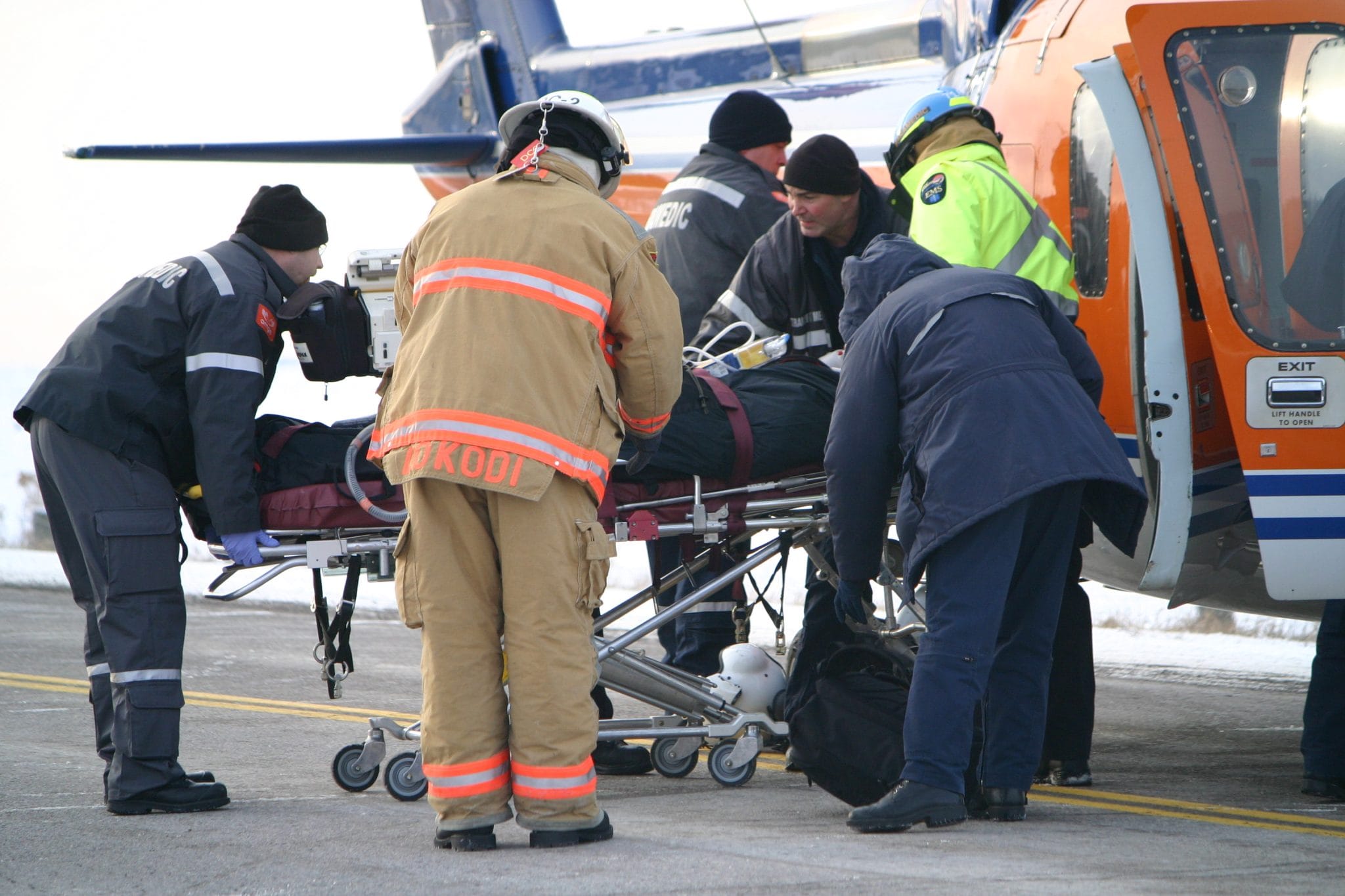
When you’re planning an overseas trip, it’s easy to picture the highlights — new cultures, great food, family adventures, and a well-earned break from everyday life. What most travellers don’t imagine is a medical emergency serious enough to require evacuation. Yet, for New Zealanders travelling abroad, understanding how medical evacuation works can make a significant difference in both outcomes and costs if the unexpected happens.
Medical evacuation might sound dramatic, but in reality, it’s a practical and sometimes life-saving service. Whether it’s an injury in a remote location, a sudden illness in a country with limited medical facilities, or a situation where specialised care is required elsewhere, evacuation ensures you receive the treatment you need — often as quickly as possible.
What is Medical Evacuation?
Medical evacuation, often called “medevac,” is the process of transporting a patient to a medical facility capable of providing appropriate care. This could involve:
* Transport by air ambulance (a specially equipped aircraft with medical staff onboard)
* Commercial flights with medical supervision
* Ground ambulances between facilities or to airports
* In some cases, repatriation back to New Zealand for ongoing treatment
The key purpose is to move you from a place where adequate care isn’t available to one where it is — and that can happen across cities, countries, or even continents.
When Might You Need Medical Evacuation?
Medical evacuation isn’t limited to extreme or rare scenarios. It can arise in a wide range of travel situations, including:
* A serious car accident in a remote area where the nearest hospital lacks advanced facilities
*A heart condition or stroke requiring specialist treatment not available locally
* Severe infections or illnesses in developing countries
* Injuries sustained while hiking, skiing, or engaging in adventure activities
* Complications during pregnancy
* Natural disasters or political unrest disrupting access to healthcare
Even in popular tourist destinations, the nearest hospital may not always have the equipment or expertise required for complex conditions. In these cases, evacuation becomes essential rather than optional.
The Cost of Medical Evacuation Without Insurance
Medical evacuation is not just logistically complex — it’s also extremely expensive. Costs vary depending on distance, urgency, and level of care required, but as a general guide:
* A short regional air ambulance transfer can cost tens of thousands of dollars
* Long-haul evacuations (for example, from Asia or Europe back to New Zealand) can exceed $100,000
* Critical care flights with specialised medical teams can cost even more
Without travel insurance, these costs are typically paid out of pocket. For most travellers, that’s simply not realistic, which is why comprehensive travel insurance is so important.
How Travel Insurance Helps
Most comprehensive travel insurance policies, including those offered by Go Insurance New Zealand, are designed to cover medical evacuation when it is deemed medically necessary. While policy details can vary, cover typically includes:
*Emergency transport to the nearest suitable medical facility
*Transfers between hospitals if required
*Repatriation to New Zealand when appropriate
*Medical staff and equipment during transport
*Coordination of logistics and care
One of the biggest advantages isn’t just financial cover — it’s the support. Go Insurance New Zealand provides access to a 24/7 emergency assistance and claims line, meaning you’re not trying to organise complex medical transport on your own in a stressful situation. Their team can help coordinate care, communicate with hospitals, and guide you through the process step by step.
In addition, having access to multilingual staff can be incredibly valuable if you’re in a country where English isn’t widely spoken. Being able to clearly communicate your medical needs, understand treatment options, and navigate local systems can make a challenging situation far more manageable.
If you’re planning a trip, it’s worth getting a quote and reviewing your options via the Go Insurance NZ homepage.
What Happens During a Medical Evacuation?
If you require evacuation, the process usually follows a structured path:
* Medical Assessment – A qualified medical professional determines whether evacuation is necessary and where you should be transferred.
* Coordination – Your insurer’s assistance team organises transport, liaises with hospitals, and arranges medical staff if required.
* Transport – Depending on your condition, this could involve an air ambulance, commercial flight with medical escort, or ground transport.
* Ongoing Care – Upon arrival, you are admitted to an appropriate facility for treatment.
Throughout this process, your insurer plays a crucial role behind the scenes, ensuring everything runs as smoothly as possible.
Medical Evacuation on a Cruise
Cruises present a unique scenario when it comes to medical emergencies. While cruise ships have onboard medical facilities, they are generally equipped for basic care rather than complex or critical treatment. If a serious issue arises, evacuation may be required — often by helicopter or transfer to the nearest port for hospital care.
This type of evacuation can be particularly costly due to the logistics involved. It may include:
* Helicopter rescue from the ship
* Emergency transport to a mainland hospital
* Further evacuation to another country if required
Because of these added risks, it’s important to consider cruise-specific travel insurance. Go Insurance New Zealand offers cruise cover designed to address these situations, providing additional protection tailored to cruise travel. You can learn more about our specialised cruise insurance here.
Realistic Scenarios
To put things into perspective, here are a few examples where medical evacuation might be necessary:
A family holiday in Thailand where a child develops a severe infection requiring transfer to a larger hospital in Bangkok
A skiing accident in Japan resulting in spinal injuries that need specialist care in another city
A trekking trip in Nepal where altitude sickness requires urgent evacuation to a lower altitude hospital
A cruise in the Pacific where a passenger suffers a cardiac event and must be airlifted to shore
These situations unfortunately do happen, and in each case, the speed and coordination of evacuation can directly impact recovery.
Preparing for a Potential Claim
While no one wants to think about making a claim, being prepared can make the process much smoother if you need to. If a medical evacuation occurs, try to keep or request the following where possible:
* Medical reports and diagnosis details
* Hospital admission and discharge summaries
* Receipts for all medical expenses
* Transport documentation (flight details, ambulance invoices, etc.)
* Any correspondence with medical staff or authorities
* Copies of prescriptions and treatment plans
It’s also important to contact your insurer as soon as possible in an emergency. Many policies require you to involve them early, particularly for large expenses like evacuation, so they can approve and coordinate the process.
External Support and Travel Advice
Before travelling, it’s always wise to familiarise yourself with official travel advice and healthcare information. The New Zealand government’s SafeTravel website provides up-to-date guidance on destinations, including health risks and local medical facilities. For general information on travel health and medical preparedness, the World Health Organization also offers useful resources.
These sources can help you make informed decisions and reduce the likelihood of needing emergency assistance in the first place.
Medical evacuation is one of those travel topics that sits quietly in the background — until it suddenly becomes very real. When it does, it’s not just about cost; it’s about access to care, speed of response, and having experienced support during a stressful time.
For Kiwi travellers heading overseas, comprehensive travel insurance can make all the difference. Go Insurance New Zealand not only helps cover the potentially enormous costs of medical evacuation but also provides the practical support needed when you’re far from home. From 24/7 assistance to multilingual support and coordinated care, it’s about turning a complex emergency into something manageable.
Travel should be about creating memories, not worrying about worst-case scenarios. But being prepared for those scenarios means you can explore the world with far greater confidence — knowing that if something does go wrong, you’re not facing it alone.