
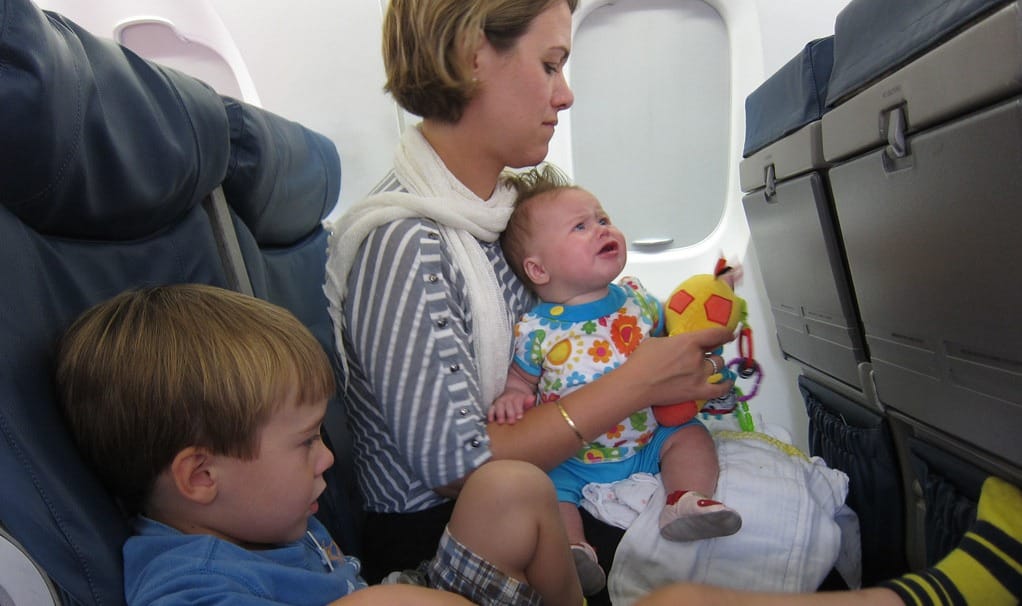
Travelling long haul with a baby can feel daunting for many Kiwi families, but with the right preparation it can also be a rewarding experience. Whether you’re heading to Europe, Asia or further afield, chances are you’ll be flying with Air New Zealand, Emirates, or another major international carrier. These airlines are well equipped to support families with young children, but it pays to understand exactly what is on offer for lap infants before you book.
What is a Lap Infant?
A lap infant is any child under two years of age who travels without their own seat. Instead, they sit on an adult’s lap for the duration of the flight. While this option is often more affordable than purchasing a separate seat, it comes with specific rules and considerations for safety and comfort.
On all major airlines, lap infants must be secured with a special seat belt extension. This attaches to the adult’s seat belt and loops around the baby’s waist. Cabin crew will demonstrate how to use it before take-off and landing, and whenever the seatbelt sign is on. For first-time travellers, flight attendants are always happy to help fit the belt correctly.
Booking the Right Seat Matters
One of the most important steps when travelling with a baby is selecting the right seats. On long-haul aircraft, a limited number of seats are equipped with bassinets (also called baby cots). These bassinets can be attached to the bulkhead area at the front of certain cabins, allowing your baby to sleep more comfortably than in your arms for the entire journey.
However, these seats are in high demand and are not automatically allocated just because you’re travelling with an infant. It’s essential to request them at the time of booking or as soon as possible afterwards. Even then, availability is not guaranteed. Booking early gives you the best chance of securing a bulkhead seat with a bassinet.
Air New Zealand and Lap Infants
As New Zealand’s flagship carrier, Air New Zealand is a popular choice for families flying long haul. For lap infants, they provide:
• Infant seat belt extension: Supplied by cabin crew and fitted for you before take-off, landing, and turbulence.
• Bassinet seating: Available on most long-haul aircraft, suitable for babies up to 11.8kg (26lb). The bassinets are attached to the wall in front of the bulkhead seats.
• Baby meals: While not automatically included, you can pre-request baby food and snacks when booking. It’s still a good idea to bring your own supplies.
• Priority boarding: Families with young children are invited to board early, giving you extra time to settle in.
Air New Zealand is well known for its friendly crew, who will do their best to make your journey smoother when travelling with little ones.
Emirates and Lap Infants
Emirates is another favourite among Kiwi families travelling to Europe, Asia, or the Middle East. Their family-friendly reputation is reflected in what they offer parents flying with lap infants:
• Infant seat belt extension: Provided by crew for use during take-off, landing, and turbulence.
• Bassinets: Available on most long-haul flights, suitable for babies up to 11kg. Like Air New Zealand, these must be requested early.
• Baby amenities: Emirates offers baby meals on request, along with complimentary baby blankets, bibs, and toys.
• Onboard support: Crew are trained to assist parents and will often provide small extras, such as milk formula or baby food, but it’s always wise to carry what your baby is used to.
• Stroller facilities: At Dubai International Airport, Emirates provides complimentary baby strollers to help parents navigate the terminal.
Security Rules for Baby Food, Bottles, and Formula
When flying long haul, many parents worry about restrictions on carrying baby food, formula, or breast milk through airport security. Fortunately, most airports — including those in New Zealand and major transit hubs — make allowances for infants.
• Baby formula, breast milk, and sterilised water can be carried in your hand luggage in quantities greater than the usual 100ml liquid limit. You may be asked to present these items separately for screening.
• Baby food, puree pouches, and jars are also permitted in reasonable amounts for the duration of the journey.
• Bottles may be carried pre-filled, and security officers may ask you to open them or test a small amount for safety reasons.
It’s best to pack your baby’s food and liquids in clear, easily accessible containers so you can present them quickly at security. Always allow extra time for screening when travelling with an infant.
Why Travel Insurance is Essential with a Baby
When you’re travelling overseas with an infant or toddler, unexpected events can quickly become costly and stressful. This is where comprehensive travel insurance becomes vital.
Some of the risks families with young children face include:
• Medical care: Babies under two may require specialised hospital treatment if they fall ill, which might only be available at a children’s hospital. In serious cases, an air ambulance may be needed — something that can cost tens of thousands of dollars without insurance.
• Trip changes due to illness: If your baby gets sick before or during travel, you may need to change flights, delay your journey, or cancel altogether. Insurance can cover the additional costs.
• Lost or damaged baby gear: Items like prams, travel cots, and car seats are expensive to replace, and they’re also among the most commonly damaged pieces of luggage. Insurance can reimburse you for the cost.
• Medical emergencies abroad: Even minor illnesses can require medical attention when it comes to young children. Having cover ensures you don’t have to worry about hospital bills while focusing on your baby’s wellbeing.
For Kiwi families, Go Insurance NZ offers policies designed to protect you and your children, so you can travel with peace of mind knowing you’re covered if things don’t go as planned.
Packing Checklist for Flying with a Baby
Having the right items in your carry-on bag can make a huge difference on a long-haul journey with a little one. Here’s a helpful checklist to get you started:
• Nappies (enough for the full flight plus extra in case of delays)
• Baby wipes and nappy disposal bags
• Two to three changes of clothes for your baby, plus a spare shirt for you
• Bottles, formula, breast milk, or sterilised water as needed
• Baby food or puree pouches
• Bibs and muslin cloths
• Comfort items such as a dummy, favourite blanket, or toy
• Lightweight baby carrier or sling (useful when moving around the cabin or airport)
• Small blanket for warmth on the plane
• Baby-friendly sanitising wipes for tray tables and armrests
• Pain relief or teething gel (if recommended by your GP)
• Stroller or pram (check airline rules for gate-checking)
Packing these essentials in an organised way will keep both you and your baby more comfortable in the air.
Helpful Tips for Flying with a Lap Infant
Flying long haul with a baby requires extra planning. Here are a few tips to help your journey go smoothly:
• Book your seats early: Bassinet seats are limited and highly sought after. Secure them as soon as possible.
• Feed during take-off and landing: Feeding your baby helps relieve ear pressure caused by cabin altitude changes.
• Use the crew’s help: Don’t hesitate to ask flight attendants to demonstrate the seat belt extension or assist with bassinets.
• Be flexible: Babies don’t always follow schedules, especially when jet lag is involved. Allow extra time and patience.
Flying long haul with a lap infant takes preparation, but both Air New Zealand and Emirates provide excellent support for families. From bassinets to baby meals and attentive cabin crew, these airlines do their best to make the journey more manageable. The key is to book early, pack thoughtfully, and make use of the services available.
With patience, flexibility, and the right travel insurance, your family can enjoy a safe and memorable adventure abroad.
For further reading, check out:
• Air New Zealand – Travelling with Infants
• New Zealand Government – Travelling with Babies and Children
Flying Long Haul with a Lap Infant
Travelling long haul with a baby can feel daunting for many Kiwi families, but with the right preparation it can also be a rewarding experience. Whether you’re heading to Europe, Asia or further afield, chances are you’ll be flying with Air New Zealand, Emirates, or another major international carrier. These airlines are well equipped to support families with young children, but it pays to understand exactly what is on offer for lap infants before you book.
What is a Lap Infant?
A lap infant is any child under two years of age who travels without their own seat. Instead, they sit on an adult’s lap for the duration of the flight. While this option is often more affordable than purchasing a separate seat, it comes with specific rules and considerations for safety and comfort.
On all major airlines, lap infants must be secured with a special seat belt extension. This attaches to the adult’s seat belt and loops around the baby’s waist. Cabin crew will demonstrate how to use it before take-off and landing, and whenever the seatbelt sign is on. For first-time travellers, flight attendants are always happy to help fit the belt correctly.
Booking the Right Seat Matters
One of the most important steps when travelling with a baby is selecting the right seats. On long-haul aircraft, a limited number of seats are equipped with bassinets (also called baby cots). These bassinets can be attached to the bulkhead area at the front of certain cabins, allowing your baby to sleep more comfortably than in your arms for the entire journey.
However, these seats are in high demand and are not automatically allocated just because you’re travelling with an infant. It’s essential to request them at the time of booking or as soon as possible afterwards. Even then, availability is not guaranteed. Booking early gives you the best chance of securing a bulkhead seat with a bassinet.
Air New Zealand and Lap Infants
As New Zealand’s flagship carrier, Air New Zealand is a popular choice for families flying long haul. For lap infants, they provide:
• Infant seat belt extension: Supplied by cabin crew and fitted for you before take-off, landing, and turbulence.
• Bassinet seating: Available on most long-haul aircraft, suitable for babies up to 11.8kg (26lb). The bassinets are attached to the wall in front of the bulkhead seats.
• Baby meals: While not automatically included, you can pre-request baby food and snacks when booking. It’s still a good idea to bring your own supplies.
• Priority boarding: Families with young children are invited to board early, giving you extra time to settle in.
Air New Zealand is well known for its friendly crew, who will do their best to make your journey smoother when travelling with little ones.
Emirates and Lap Infants
Emirates is another favourite among Kiwi families travelling to Europe, Asia, or the Middle East. Their family-friendly reputation is reflected in what they offer parents flying with lap infants:
• Infant seat belt extension: Provided by crew for use during take-off, landing, and turbulence.
• Bassinets: Available on most long-haul flights, suitable for babies up to 11kg. Like Air New Zealand, these must be requested early.
• Baby amenities: Emirates offers baby meals on request, along with complimentary baby blankets, bibs, and toys.
• Onboard support: Crew are trained to assist parents and will often provide small extras, such as milk formula or baby food, but it’s always wise to carry what your baby is used to.
• Stroller facilities: At Dubai International Airport, Emirates provides complimentary baby strollers to help parents navigate the terminal.
Security Rules for Baby Food, Bottles, and Formula
When flying long haul, many parents worry about restrictions on carrying baby food, formula, or breast milk through airport security. Fortunately, most airports — including those in New Zealand and major transit hubs — make allowances for infants.
• Baby formula, breast milk, and sterilised water can be carried in your hand luggage in quantities greater than the usual 100ml liquid limit. You may be asked to present these items separately for screening.
• Baby food, puree pouches, and jars are also permitted in reasonable amounts for the duration of the journey.
• Bottles may be carried pre-filled, and security officers may ask you to open them or test a small amount for safety reasons.
It’s best to pack your baby’s food and liquids in clear, easily accessible containers so you can present them quickly at security. Always allow extra time for screening when travelling with an infant.
Why Travel Insurance is Essential with a Baby
When you’re travelling overseas with an infant or toddler, unexpected events can quickly become costly and stressful. This is where comprehensive travel insurance becomes vital.
Some of the risks families with young children face include:
• Medical care: Babies under two may require specialised hospital treatment if they fall ill, which might only be available at a children’s hospital. In serious cases, an air ambulance may be needed — something that can cost tens of thousands of dollars without insurance.
• Trip changes due to illness: If your baby gets sick before or during travel, you may need to change flights, delay your journey, or cancel altogether. Insurance can cover the additional costs.
• Lost or damaged baby gear: Items like prams, travel cots, and car seats are expensive to replace, and they’re also among the most commonly damaged pieces of luggage. Insurance can reimburse you for the cost.
• Medical emergencies abroad: Even minor illnesses can require medical attention when it comes to young children. Having cover ensures you don’t have to worry about hospital bills while focusing on your baby’s wellbeing.
For Kiwi families, Go Insurance NZ offers policies designed to protect you and your children, so you can travel with peace of mind knowing you’re covered if things don’t go as planned.
Packing Checklist for Flying with a Baby
Having the right items in your carry-on bag can make a huge difference on a long-haul journey with a little one. Here’s a helpful checklist to get you started:
• Nappies (enough for the full flight plus extra in case of delays)
• Baby wipes and nappy disposal bags
• Two to three changes of clothes for your baby, plus a spare shirt for you
• Bottles, formula, breast milk, or sterilised water as needed
• Baby food or puree pouches
• Bibs and muslin cloths
• Comfort items such as a dummy, favourite blanket, or toy
• Lightweight baby carrier or sling (useful when moving around the cabin or airport)
• Small blanket for warmth on the plane
• Baby-friendly sanitising wipes for tray tables and armrests
• Pain relief or teething gel (if recommended by your GP)
• Stroller or pram (check airline rules for gate-checking)
Packing these essentials in an organised way will keep both you and your baby more comfortable in the air.
Helpful Tips for Flying with a Lap Infant
Flying long haul with a baby requires extra planning. Here are a few tips to help your journey go smoothly:
• Book your seats early: Bassinet seats are limited and highly sought after. Secure them as soon as possible.
• Feed during take-off and landing: Feeding your baby helps relieve ear pressure caused by cabin altitude changes.
• Use the crew’s help: Don’t hesitate to ask flight attendants to demonstrate the seat belt extension or assist with bassinets.
• Be flexible: Babies don’t always follow schedules, especially when jet lag is involved. Allow extra time and patience.
Flying long haul with a lap infant takes preparation, but both Air New Zealand and Emirates provide excellent support for families. From bassinets to baby meals and attentive cabin crew, these airlines do their best to make the journey more manageable. The key is to book early, pack thoughtfully, and make use of the services available.
With patience, flexibility, and the right travel insurance, your family can enjoy a safe and memorable adventure abroad.
For further reading, check out:
• Air New Zealand – Travelling with Infants
• New Zealand Government – Travelling with Babies and Children