
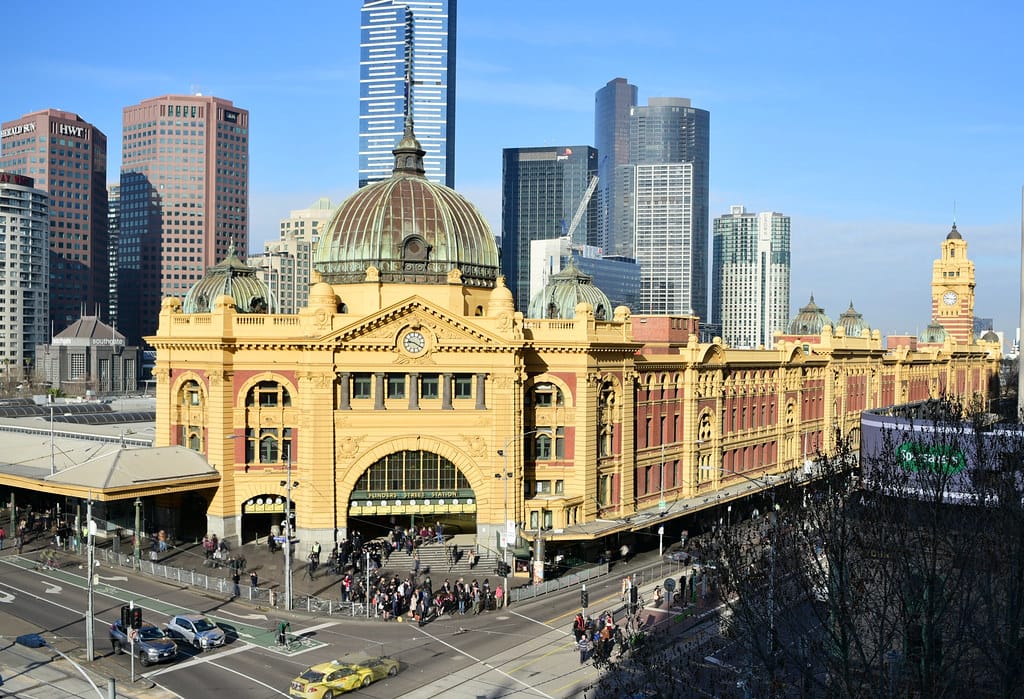
Melbourne (or “Naarm” in the local Aboriginal language) is one of Australia’s most dynamic, stylish and culture-rich cities — well worth the short hop across the Tasman. Whether you’re travelling with family or on an adults-only break, Melbourne offers a fine mix of creativity, natural beauty, great food and nightlife, and plenty of things to see and do. So here is your Kiwi-friendly guide to getting the most out of your Melbourne experience.
Why you’ll love Melbourne as a Kiwi
Melbourne is often regarded as Australia’s cultural capital. It blends European elegance, a thriving arts and music scene, a café-obsessed food culture, and plenty of neighbourhood surprises — laneways, arcades, street art and hidden bars. It’s compact, walkable (especially around the CBD), and well connected by tram, train and bus.
From a New Zealand perspective, the advantage is: minimal time zone adjustment, great flight options, and the ability to dip your toes in vibrant urban life while still being close to coastal escapes, regional wine country or nature drives such as the Great Ocean Road. Many Kiwis come here not just for city life but as a launchpad for further touring around Victoria.
For a good overview of Melbourne’s attractions and travel tips, check out a trusted guide such as the Australia.com city guide. (For example, Australia’s official travel site has a useful Guide to Melbourne & Surrounds.)
Best times to visit and Melbourne’s weather
Melbourne is famous for its fickle weather — locals even joke you can experience “four seasons in one day.” That said, each season has its own mood and appeal. The average seasonal temperatures are as follows:
• Summer (December–February): ~ 14 °C to 25.3 °C (although extreme temperatures in the high 30’s and low 40’s are not uncommon)
• Autumn / Fall (March–May): ~ 10.9 °C to 20.3 °C.
• Winter (June–August): ~ 6.5 °C to 14.2 °C.
• Spring (September–November): ~ 9 °C to 20 °C (often around 10–20 °C).
Melbourne’s rainfall tends to be fairly evenly distributed, though spring and winter may bring more days of drizzle or light rain. Be prepared for light rain in any season. Have some indoor ideas planned as back up in case you need them, especially in colder months and if travelling with kids, and pack a light raincoat or umbrella just in case.
What’s the best time to travel?
• Spring (September–November) and autumn (March–May) are generally the most pleasant times: mild temperatures, fewer heat extremes, and plenty of cultural events.
• Summer (December–February) offers warm, dry weather and active outdoor life, but occasional heatwave days above 35–40 °C are possible.
• Winter (June–August) is cooler and sometimes greyer, but the crowds thin, and indoor arts, cafés, galleries and bars become especially inviting.
If you don’t love extremes in temperature or rain risks, aim for spring or autumn. But if you’re chasing beach days, summer is your best bet.
Getting around Melbourne
• The Free Tram Zone in downtown Melbourne (CBD) allows you to hop on and off many tram routes in the centre without fare.
• To travel further by tram, train or bus, you’ll need a MYKI card, which you top up.
• Melbourne’s famed laneways and arcades are part of its charm — wandering them reveals hidden cafés, boutique shops, street art, and surprises.
• The city is very walkable, but comfortable shoes and layers are a must, given changing weather.
• If time allows, day trips to the Great Ocean Road, Phillip Island, the Yarra Valley wine region, or the Dandenong Ranges are very doable from Melbourne.
Top sites and attractions — family friendly
If you’re travelling with children or teens, Melbourne has a rich mix of fun, educational and outdoorsy options. Here are some top picks:
• Melbourne Zoo — a classic, with a wide variety of Australian and exotic wildlife.
• SEA LIFE Melbourne Aquarium — great for marine displays, interactive experiences and a safe activity for varying weather.
• Melbourne Museum & Royal Exhibition Building — kid-friendly exhibits, natural history, and the adjacent Carlton Gardens make for a relaxed day.
• Scienceworks (in Spotswood) — an interactive science and technology museum with hands-on exhibits for curious minds.
• Luna Park, St Kilda — a vintage amusement park by the beach, along with the St Kilda Sea Baths and a stroll on the pier.
• Royal Botanic Gardens — wide open green spaces, lakes, walking trails, and a serene contrast to city bustle.
• Phillip Island (Penguin Parade) — though technically a bit outside the city, an evening penguin viewing is a highlight for families.
• Puffing Billy (Dandenong Ranges steam train) — a scenic steam train ride through rainforest and fern gullies, loved by all ages.
• Collingwood Children’s Farm — hands-on farm animals, petting, gardens — a calm rural escape inside reach.
These are complemented by ample parks, playgrounds, river walks and ferry rides on the Yarra River, giving family travellers flexibility.
Top sites and experiences for adults / nightlife
For those travelling without children — or just keen to explore Melbourne’s edgier, more grown-up side — here are highlights:
• Laneway bars & hidden cocktail venues: Melbourne is famous for its “secret bar” culture. Drop into narrow back alleys, go underground, and you’ll find bars like Caretaker’s Cottage (recently ranked best in Australasia) among many others.
• Rooftop bars: There is no shortage of rooftop venues overlooking the skyline where you can sip cocktails and watch sunsets.
• Live music and gigs: Melbourne is a live music city. Check out local listings (e.g. via Beat or local media) to catch jazz, indie or big concerts.
• Arts and theatre: The Arts Centre Melbourne, Queen Victoria Market (which also hosts evening events), and smaller performance theatres offer plays, dance, comedy and festivals.
• Night markets: For instance, the Queen Victoria Winter Night Market in colder months offers food, crafts, music and atmosphere.
• Café culture by day, bar hopping by night: Start with boutique cafés in suburbs like Fitzroy, Collingwood or Brunswick, and then venture to cocktail bars or microbreweries once darkness falls.
• Sporting events: Melbourne is Australia’s sporting capital — depending on your visit you may catch AFL (Australian Rules football), cricket, rugby, or tennis (especially if you visit in January during the Australian Open).
Also keep an eye on hidden laneways and arcades — many “bars behind a door” operate within Melbourne’s labyrinth of passages.
Top rated food and dining in Melbourne
Melbourne’s reputation for food is strong — multicultural, inventive, café-obsessed, and always evolving. Here are some standout dining choices and food districts to explore (and get your taste buds dancing):
• Chinatown (Little Bourke Street / Little Lonsdale Street): Great for Asian cuisine — from dumplings to Malaysian hawker to Chinese.
• Flinders Lane / Federation Square precinct: Upscale and modern Australian dining is well represented here.
• Fitzroy, Collingwood, Brunswick: These inner suburbs are known for edgy cafés, brunch spots, fusion cuisine, vegetarian / vegan offerings and relaxed bistros.
• St Kilda / Acland Street: Perfect for café lunches, seaside dining or casual dinners.
• Queen Victoria Market precinct: Fresh produce, artisan stalls, and nearby eateries make this a lunchtime favourite.
• Lane and arcade cafés: Don’t underestimate laneway finds. Stroll Centre Place, Block Arcade, Royal Arcade, Block Place, and others — you’ll find cafés tucked into corners.
While tastes evolve, some names tend to feature often in “best of” lists: Modern Australian tasting menus, farm-to-table venues, eateries led by chef innovators, and fusion restaurants. Be sure to make reservations, especially for dinner and on weekends. For reliable reviews and current hotspots, you could take a look at Condé Nast Traveler’s Melbourne travel guide.
Sample 5-day itinerary ideas
Here’s a rough sketch for a mixed family + adult trip (with flexibility):
• Day 1: Arrive, stroll the CBD, hit laneways (Hosier, Centre, Block), visit Federation Square / NGV (National Gallery of Victoria).
• Day 2: Melbourne Museum + Royal Exhibition Building, stroll Carlton Gardens, evening show or bar crawl.
• Day 3: Day trip — Great Ocean Road or Phillip Island (if with family) / or vineyard tours in Yarra Valley (if adults).
• Day 4: St Kilda, Luna Park, beach walk, café lunch, evening live music.
• Day 5: Dandenong Ranges / Puffing Billy, collins street shopping, final dinner in a top restaurant or rooftop bar.
Adjust for weather days or rest days as needed.
The importance of travel insurance
Visiting Melbourne from New Zealand is relatively low-risk in many ways (stable city, solid infrastructure), but as any experienced traveller knows, things can go wrong — medical issues, lost luggage, flight delays, cancellations, accidental loss or theft, or even emergency repatriation.
Why you need travel insurance:
1. Medical emergencies: Even while travelling in Australia, your domestic health cover may not apply (or may only partly apply). Treatment, hospital stays, or emergencies can be costly without cover.
2. Trip cancellation or interruption: You may need to cancel or adjust plans due to illness, weather, or unforeseen events.
3. Baggage and personal items: Loss, theft, or damage to your luggage or valuables is a common travel headache.
4. Delays and missed connections: Flights, transport strikes or weather can disrupt your itinerary.
5. Liability or personal injury: If you cause damage or injure someone inadvertently, insurance can help cover legal or medical costs.
At Go Insurance New Zealand, we specialise in travel insurance for Kiwis heading overseas. Our policies are designed with New Zealand travellers in mind — covering the kind of things that matter to you when you’re across the Ditch. Make sure you’re protected before you leave so your trip is about memories, not mishaps.
Get a free quote here before you head off to Melbourne, and travel with peace of mind.
Tips and local insights for Kiwis
• Watch for heatwaves in summer — on extremely hot days, some excursions may be postponed or risky.
• Because weather changes fast, dress in layers, carry a compact umbrella or rain jacket, and plan for sun + wind + chill in one day.
• Always book ahead for must-see attractions, shows, or restaurants — things fill up quickly, especially in peak season.
• Seek local insight — talk to café baristas, bartenders, shopkeepers; often you’ll get tips on new bars, hidden spots, or changing neighbourhood gems.
• Keep your travel insurance documentation easily accessible.
• While in Melbourne, allow time to just wander — in laneways, boutiques, street art precincts. Some of the best moments are unplanned.
Destination Melbourne: A Kiwi’s City Guide to Exploring Melbourne, Australia
Melbourne (or “Naarm” in the local Aboriginal language) is one of Australia’s most dynamic, stylish and culture-rich cities — well worth the short hop across the Tasman. Whether you’re travelling with family or on an adults-only break, Melbourne offers a fine mix of creativity, natural beauty, great food and nightlife, and plenty of things to see and do. Below is your Kiwi-friendly guide to getting the most out of your Melbourne experience — and a reminder about why you should never leave home without travel insurance.
Why you’ll love Melbourne as a Kiwi
Melbourne is often regarded as Australia’s cultural capital. It blends European elegance, a thriving arts and music scene, a café-obsessed food culture, and plenty of neighbourhood surprises — laneways, arcades, street art and hidden bars. It’s compact, walkable (especially around the CBD), and well connected by tram, train and bus.
From a New Zealand perspective, the advantage is: minimal time zone adjustment, great flight options, and the ability to dip your toes in vibrant urban life while still being close to coastal escapes, regional wine country or nature drives such as the Great Ocean Road. Many Kiwis come here not just for city life but as a launchpad for further touring around Victoria.
For a good overview of Melbourne’s attractions and travel tips, check out a trusted guide such as the Australia.com city guide. (For example, Australia’s official travel site has a useful Guide to Melbourne & Surrounds.)
Best times to visit and Melbourne’s weather
Melbourne is famous for its fickle weather — locals even joke you can experience “four seasons in one day.” That said, each season has its own mood and appeal. The average seasonal temperatures are as follows:
• Summer (December–February): ~ 14 °C to 25.3 °C.
• Autumn / Fall (March–May): ~ 10.9 °C to 20.3 °C.
• Winter (June–August): ~ 6.5 °C to 14.2 °C.
• Spring (September–November): ~ 9 °C to 20 °C (often around 10–20 °C).
Melbourne’s rainfall tends to be fairly evenly distributed, though spring and winter may bring more days of drizzle or light rain. Be prepared for light rain in any season. Have some indoor ideas planned as back up in case you need them, especially in colder months and if travelling with kids, and pack a light raincoat or umbrella just in case.
What’s the best time to travel?
• Spring (September–November) and autumn (March–May) are generally the most pleasant times: mild temperatures, fewer heat extremes, and plenty of cultural events.
• Summer (December–February) offers warm, dry weather and active outdoor life, but occasional heatwave days above 35–40 °C are possible.
• Winter (June–August) is cooler and sometimes greyer, but the crowds thin, and indoor arts, cafés, galleries and bars become especially inviting.
If you don’t love extremes in temperature or rain risks, aim for spring or autumn. But if you’re chasing beach days, summer is your best bet.
Getting around Melbourne
• The Free Tram Zone in downtown Melbourne (CBD) allows you to hop on and off many tram routes in the centre without fare.
• To travel further by tram, train or bus, you’ll need a MYKI card, which you top up.
• Melbourne’s famed laneways and arcades are part of its charm — wandering them reveals hidden cafés, boutique shops, street art, and surprises.
• The city is very walkable, but comfortable shoes and layers are a must, given changing weather.
• If time allows, day trips to the Great Ocean Road, Phillip Island, the Yarra Valley wine region, or the Dandenong Ranges are very doable from Melbourne.
Top sites and attractions — family friendly
If you’re travelling with children or teens, Melbourne has a rich mix of fun, educational and outdoorsy options. Here are some top picks:
• Melbourne Zoo — a classic, with a wide variety of Australian and exotic wildlife.
• SEA LIFE Melbourne Aquarium — great for marine displays, interactive experiences and a safe activity for varying weather.
• Melbourne Museum & Royal Exhibition Building — kid-friendly exhibits, natural history, and the adjacent Carlton Gardens make for a relaxed day.
• Scienceworks (in Spotswood) — an interactive science and technology museum with hands-on exhibits for curious minds.
• Luna Park, St Kilda — a vintage amusement park by the beach, along with the St Kilda Sea Baths and a stroll on the pier.
• Royal Botanic Gardens — wide open green spaces, lakes, walking trails, and a serene contrast to city bustle.
• Phillip Island (Penguin Parade) — though technically a bit outside the city, an evening penguin viewing is a highlight for families.
• Puffing Billy (Dandenong Ranges steam train) — a scenic steam train ride through rainforest and fern gullies, loved by all ages.
• Collingwood Children’s Farm — hands-on farm animals, petting, gardens — a calm rural escape inside reach.
These are complemented by ample parks, playgrounds, river walks and ferry rides on the Yarra River, giving family travellers flexibility.
Top sites and experiences for adults / nightlife
For those travelling without children — or just keen to explore Melbourne’s edgier, more grown-up side — here are highlights:
• Laneway bars & hidden cocktail venues: Melbourne is famous for its “secret bar” culture. Drop into narrow back alleys, go underground, and you’ll find bars like Caretaker’s Cottage (recently ranked best in Australasia) among many others.
• Rooftop bars: There is no shortage of rooftop venues overlooking the skyline where you can sip cocktails and watch sunsets.
• Live music and gigs: Melbourne is a live music city. Check out local listings (e.g. via Beat or local media) to catch jazz, indie or big concerts.
• Arts and theatre: The Arts Centre Melbourne, Queen Victoria Market (which also hosts evening events), and smaller performance theatres offer plays, dance, comedy and festivals.
• Night markets: For instance, the Queen Victoria Winter Night Market in colder months offers food, crafts, music and atmosphere.
• Café culture by day, bar hopping by night: Start with boutique cafés in suburbs like Fitzroy, Collingwood or Brunswick, and then venture to cocktail bars or microbreweries once darkness falls.
• Sporting events: Melbourne is Australia’s sporting capital — depending on your visit you may catch AFL (Australian Rules football), cricket, rugby, or tennis (especially if you visit in January during the Australian Open).
Also keep an eye on hidden laneways and arcades — many “bars behind a door” operate within Melbourne’s labyrinth of passages.
Top rated food and dining in Melbourne
Melbourne’s reputation for food is strong — multicultural, inventive, café-obsessed, and always evolving. Here are some standout dining choices and food districts to explore (and get your taste buds dancing):
• Chinatown (Little Bourke Street / Little Lonsdale Street): Great for Asian cuisine — from dumplings to Malaysian hawker to Chinese.
• Flinders Lane / Federation Square precinct: Upscale and modern Australian dining is well represented here.
• Fitzroy, Collingwood, Brunswick: These inner suburbs are known for edgy cafés, brunch spots, fusion cuisine, vegetarian / vegan offerings and relaxed bistros.
• St Kilda / Acland Street: Perfect for café lunches, seaside dining or casual dinners.
• Queen Victoria Market precinct: Fresh produce, artisan stalls, and nearby eateries make this a lunchtime favourite.
• Lane and arcade cafés: Don’t underestimate laneway finds. Stroll Centre Place, Block Arcade, Royal Arcade, Block Place, and others — you’ll find cafés tucked into corners.
While tastes evolve, some names tend to feature often in “best of” lists: Modern Australian tasting menus, farm-to-table venues, eateries led by chef innovators, and fusion restaurants. Be sure to make reservations, especially for dinner and on weekends. For reliable reviews and current hotspots, you could take a look at Condé Nast Traveler’s Melbourne travel guide.
Sample 5-day itinerary ideas
Here’s a rough sketch for a mixed family + adult trip (with flexibility):
• Day 1: Arrive, stroll the CBD, hit laneways (Hosier, Centre, Block), visit Federation Square / NGV (National Gallery of Victoria).
• Day 2: Melbourne Museum + Royal Exhibition Building, stroll Carlton Gardens, evening show or bar crawl.
• Day 3: Day trip — Great Ocean Road or Phillip Island (if with family) / or vineyard tours in Yarra Valley (if adults).
• Day 4: St Kilda, Luna Park, beach walk, café lunch, evening live music.
• Day 5: Dandenong Ranges / Puffing Billy, collins street shopping, final dinner in a top restaurant or rooftop bar.
Adjust for weather days or rest days as needed.
The importance of travel insurance
Visiting Melbourne from New Zealand is relatively low-risk in many ways (stable city, solid infrastructure), but as any experienced traveller knows, things can go wrong — medical issues, lost luggage, flight delays, cancellations, accidental loss or theft, or even emergency repatriation.
Why you need travel insurance:
1. Medical emergencies: Even while travelling in Australia, your domestic health cover may not apply (or may only partly apply). Treatment, hospital stays, or emergencies can be costly without cover.
2. Trip cancellation or interruption: You may need to cancel or adjust plans due to illness, weather, or unforeseen events.
3. Baggage and personal items: Loss, theft, or damage to your luggage or valuables is a common travel headache.
4. Delays and missed connections: Flights, transport strikes or weather can disrupt your itinerary.
5. Liability or personal injury: If you cause damage or injure someone inadvertently, insurance can help cover legal or medical costs.
At Go Insurance New Zealand, we specialise in travel insurance for Kiwis heading overseas. Our policies are designed with New Zealand travellers in mind — covering the kind of things that matter to you when you’re across the Ditch. Make sure you’re protected before you leave so your trip is about memories, not mishaps.
Get a free quote here before you head off to Melbourne, and travel with peace of mind.
Tips and local insights for Kiwis
• Watch for heatwaves in summer — on extremely hot days, some excursions may be postponed or risky.
• Because weather changes fast, dress in layers, carry a compact umbrella or rain jacket, and plan for sun + wind + chill in one day.
• Always book ahead for must-see attractions, shows, or restaurants — things fill up quickly, especially in peak season.
• Seek local insight — talk to café baristas, bartenders, shopkeepers; often you’ll get tips on new bars, hidden spots, or changing neighbourhood gems.
• Keep your travel insurance documentation easily accessible.
• While in Melbourne, allow time to just wander — in laneways, boutiques, street art precincts. Some of the best moments are unplanned.